Tag: Countries
-
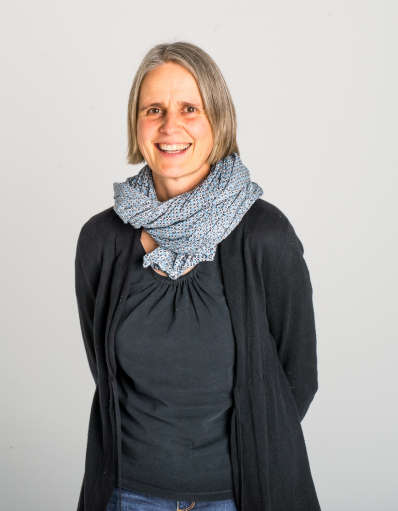
Uta Bilow
Uta studied chemistry at the University of Bonn. After her PhD (1994), she turned to science communication. Since, she has worked as a freelance science journalist and communicator. She has produced articles for newspapers, magazines and radio, as well as giving writing and communication trainings for young scientists and moderating events. During the LHC startup…
-
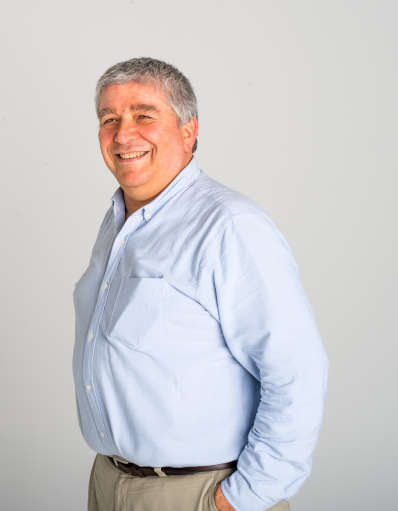
Ken Cecire
While in graduate school, Ken Cecire found that his greatest satisfaction was a teaching assistant in undergraduate introductory courses. Upon receiving an MA in Physics at City College, New York in 1981, Ken became a high school physics teacher. After several years of summer research at Jefferson Lab, Ken left the classroom in 1999 and…
-
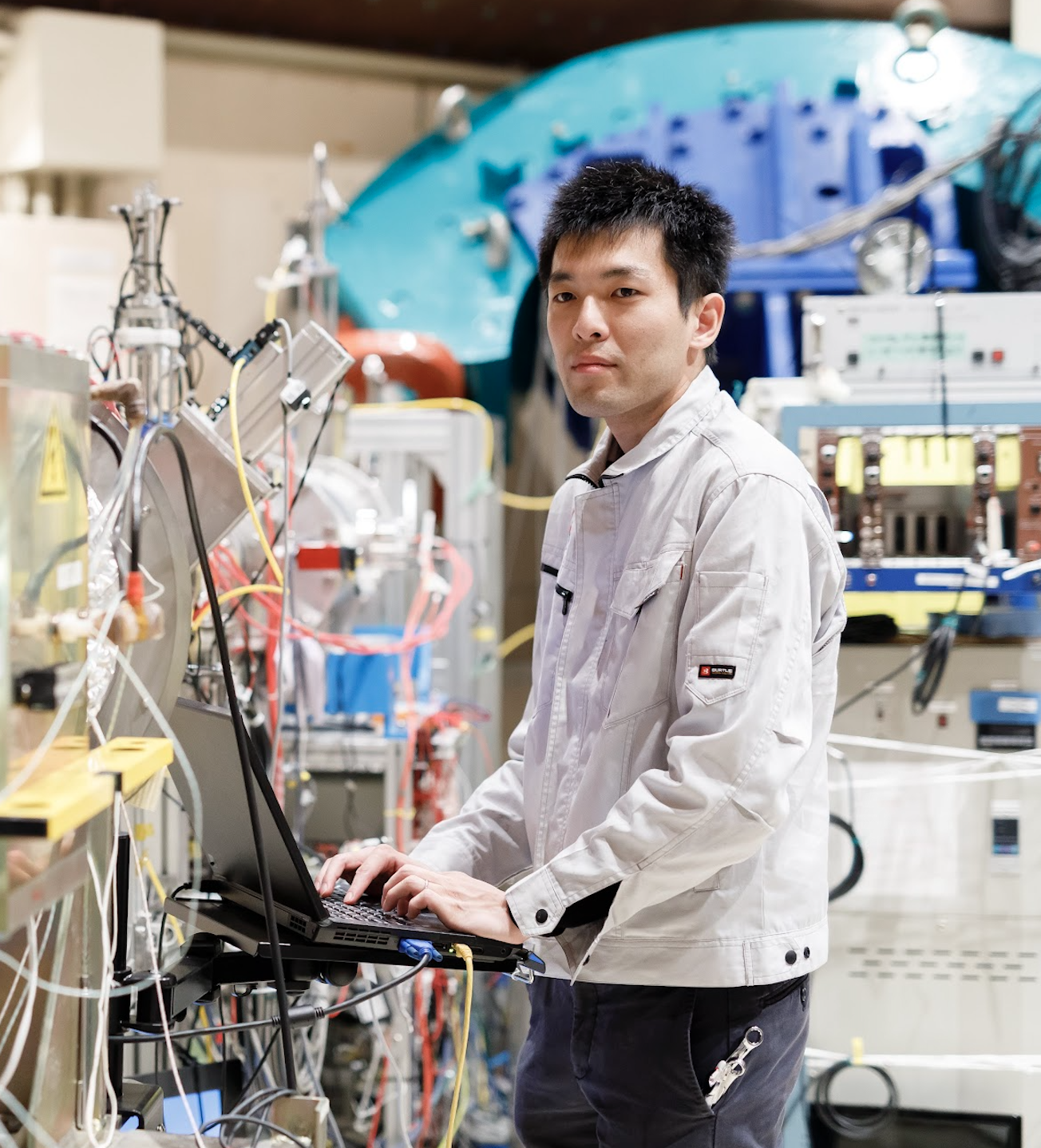
Kazuo Tanaka
Kazuo Tanaka is a particle physicist who specializes in experiments using accelerators. His past work includes experiments with antihydrogen at CERN’s The Antiproton Decelerator in Switzerland and muon experiments at J-PARC in Japan. Currently, he is also involved in applying radiation detection technologies in medical applications and implementing them in astronomical observation satellites.Additionally, he has…
-
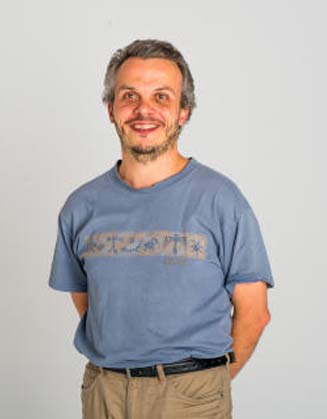
Nicolas Arnaud
After earning a PhD in the Virgo experiment (direct detection of gravitational waves) and spending a year as a CERN fellow with the LHCb collaboration, Nicolas joined the Centre National de la Recherche Scientific (IN2P3/CNRS) in Orsay as a staff physicist. He then began working on the BaBar experiment and for this spent four years…
-
FI-Global Cosmic
Mandate In the projections around the measurement of cosmic rays, students can dive into the fascinating world of the exploration of the universe. They become familiar with scientific work using modern measurement and analysis methods. The contacts to scientist and research facilities as well as the gain of experience are meant to cater to the student…
-
CELESTE
CELESTE is a scientific collaboration network between schools and universities, hosted in the Universidad de Sao Paulo, Brasil. Our idea To create a network of particle detectors that can be made and operated by high-school students and professors. Our project allows an independent investigation and permits, through hands-on lessons, the engagement of students in scientific…
-
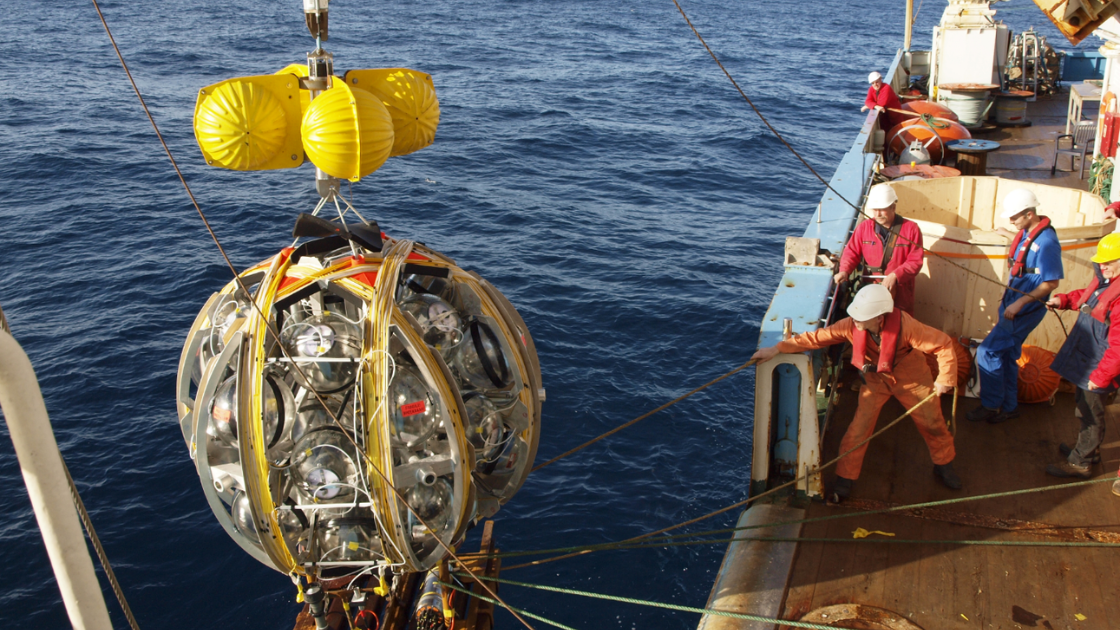
KM3NeT joins IPPOG
We are delighted to announce that KM3NeT, the Cubic Kilometre Neutrino Telescope, has officially become a new member of IPPOG! With its cutting-edge research and robust outreach programme, KM3NeT brings fresh energy and exciting opportunities to our global physics outreach community. KM3NeT is an impressive research infrastructure located deep in the Mediterranean Sea, with two…
-
KM3NeT
JOINED: 2025 CURRENT STATUS: MEMBER LOCAL RESOURCES WEBSITE:www.km3net.org KM3NeT, the Cubic Kilometre Neutrino Telescope, is one of the most ambitious neutrino observatories ever built, designed to explore the universe from the depths of the Mediterranean Sea. The infrastructure consists of two main sites: ARCA (Astroparticle Research with Cosmics in the Abyss), off the coast of…
-
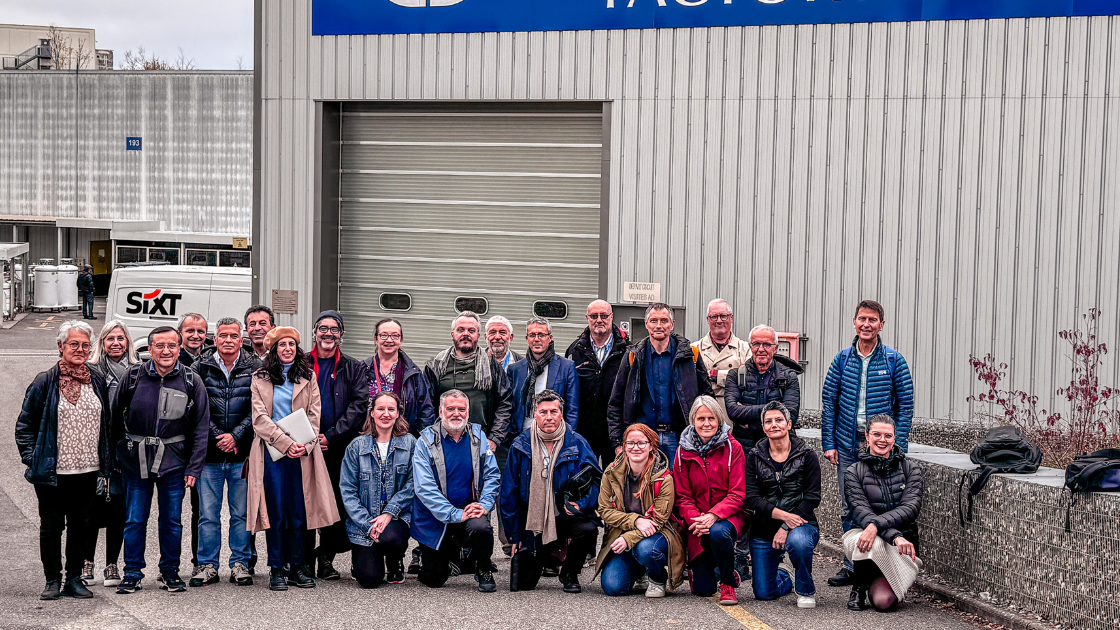
Highlights from the 30th IPPOG Meeting at CERN
The 30th IPPOG Collaboration Meeting took place at CERN from 27 to 30 October 2025, bringing together members, coordinators, and guests from across the globe to share best practices, success stories, and future directions for particle physics outreach and education. Day 1 – Inspiring Success Stories The meeting opened with a dynamic series of presentations…
-

Accel Kitchen
Accel Kitchen: Japanese Junior and Senior High School Cosmic Ray Outreach At Accel Kitchen, as a member of IPPOG’s Cosmic Group SG, we support schools and educational institutions outside of Japan that are interested in cosmic-ray exploration activities. Specifically, we provide detector rentals, share cosmic-ray data observed by over 200 junior and senior high school…