Tag: Resources
-
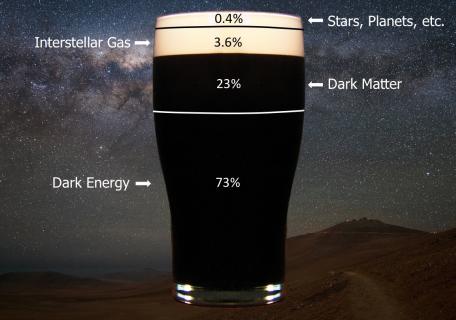
Solving the Enigma of the Universe: How we measure what we can’t see
This talk was given at TEDxOporto 2016 to a large, general public audience. It attempts to address the question, posed by a young student: “How do we measure what we can’t see?” The talk addresses this in three parts: What we currently know about our universe How we came about to understand this, through exploration…
-
American Physical Society Outreach Guide
This guide was created to provide ideas, opportunities, and most importantly “how-to” information regarding physics outreach programs. The goal of the Guide is to arm you with all the information you will need to do outreach programs, starting with a selection of possible outreach programs you can do. For every program we list, we provide…
-
American Physical Society Outreach Guide
This guide was created to provide ideas, opportunities, and most importantly “how-to” information regarding physics outreach programs. The goal of the Guide is to arm you with all the information you will need to do outreach programs, starting with a selection of possible outreach programs you can do. For every program we list, we provide…
-
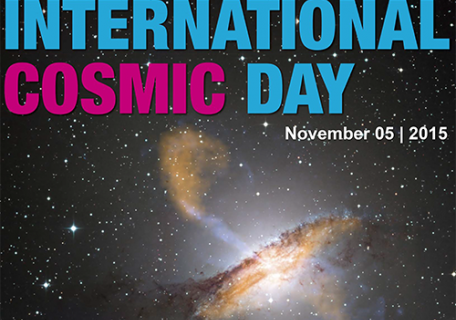
International Cosmic Day 2015
The International Cosmic Day enables students to get in contact with astroparticle physicists to get a first insight into their research, experimental methods and everyday work as a scientist. Some questions which will be adressed are: What are cosmic particles? Where do they come from? How can they be measured?
-
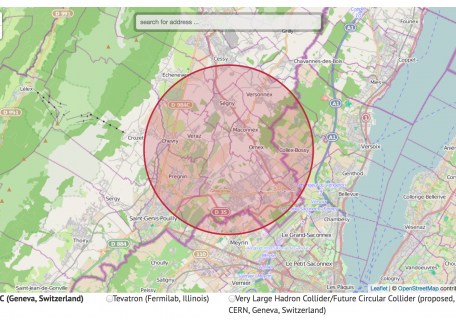
Local LHC Map
This online tool gives you a sense of scale for large particle accelerators. You can choose to place a ring of the size of the LHC, Tevatron or FCC on a map of your local area. Take screenshots to use in your presentations when you visit other cities, to show the locals how big the…
-
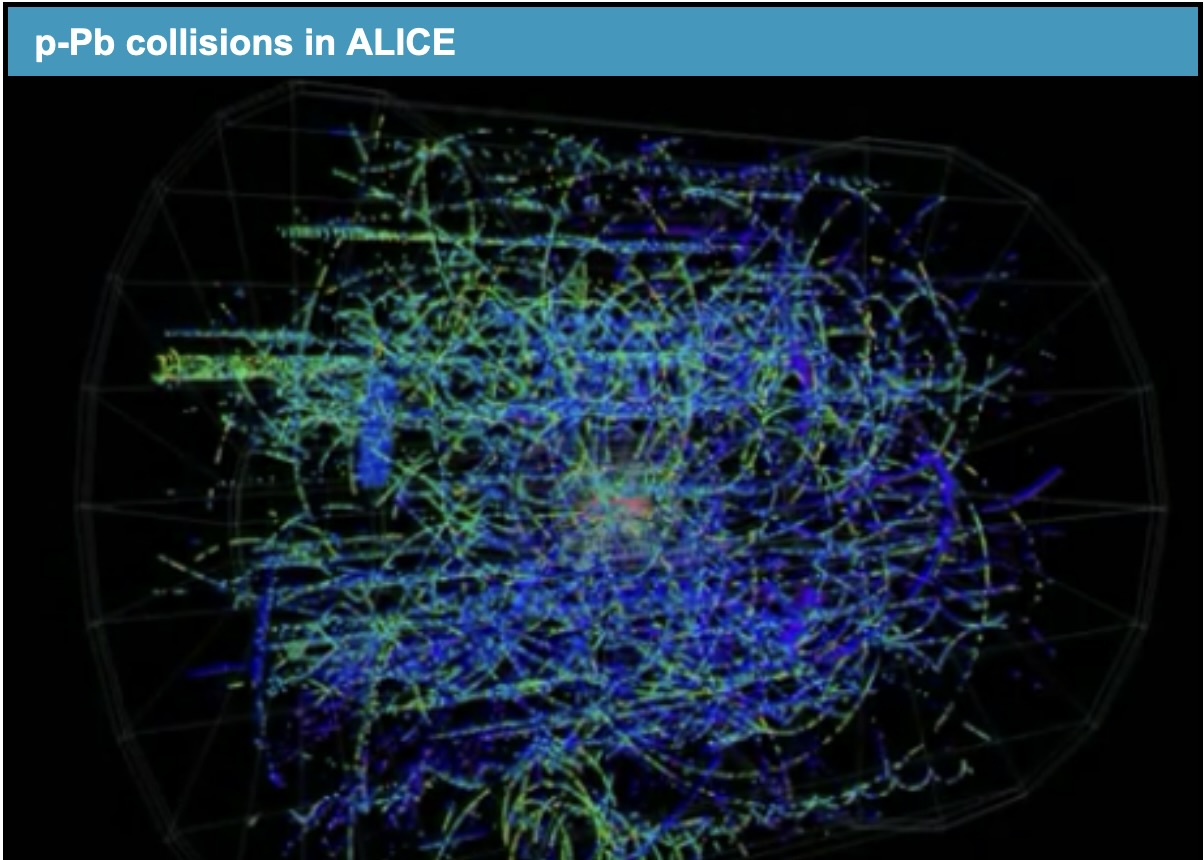
p-Pb collisions at LHC : interviews of 7 experts from the ALICE experiment
A collection of 7 views on the p-Pb run from experts with different roles (theoretical, experimental and machine physicists) who were closely involved on both the LHC and the ALICE side. The physics motivation for p-Pb collisions at the LHC is described as well the challenges involved for the production of the beams and their…
-
Higgs-Presentations
This collection has seven presentations on the Higgs-boson and related topics. The presentations where hold by several German scientists after the Nobel Prize in Physics 2013 was awarded to François Englert and Peter W. Higgs. The presentations are generally understandable and can be used for information or as a source of inspiration for own presentations…
-
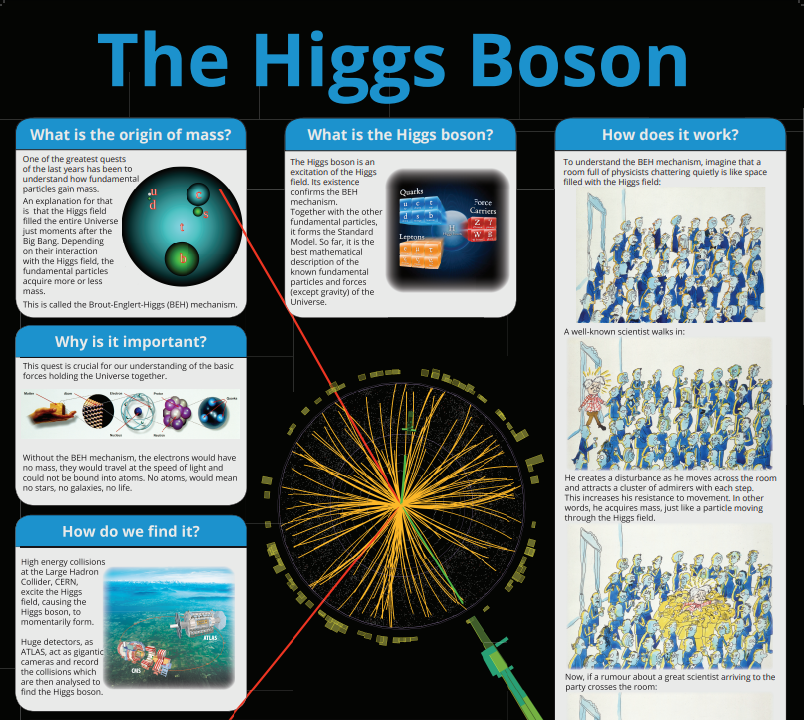
The Higgs Boson
A0 Poster targeted to general public, explaining the Brout-Englert-Higgs mechanism, the Higgs boson, why it is important, how we look for it, the journey of the discovery and what comes after the discovery. Produced by the ATLAS outreach group at CERN. Also available in French.
-
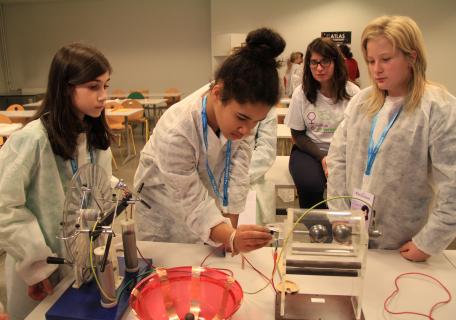
Salad Bowl Accelerator
Information This was one of the CERN workshops at the Expanding your Horizons event in Geneva (www.expandingyourhorizons.org/conferences/geneva/). Similar initiative than the one presented here: http://www.instructables.com/community/Build-your-own-particle-accelerator-demo/ Materials Needed (per bowl): Generator: we used a Wimshurst machine, hand operated, produces a direct current A salad bowl, non metallic Electrically Conductive Adhesive Transfer Tape (two sizes) Wires (banana/alligator)…
-
The basics of the Higgs boson (A TED Ed Lesson)
Let’s Begin… In 2012, scientists at CERN discovered evidence of the Higgs boson. The what? The Higgs boson is one of two types of fundamental particles and is a particular game-changer in the field of particle physics, proving how particles gain mass. Using the Socratic method, CERN scientists Dave Barney and Steve Goldfarb explain the…