
Tag: Topics
-
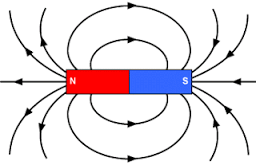
ATLAS Magnetic Field
How a magnetic field is generated, the Lorentz force, etc. A web application shows how various particles behave in different magnetic fields depending on their speed, field intensity, orientation.
-
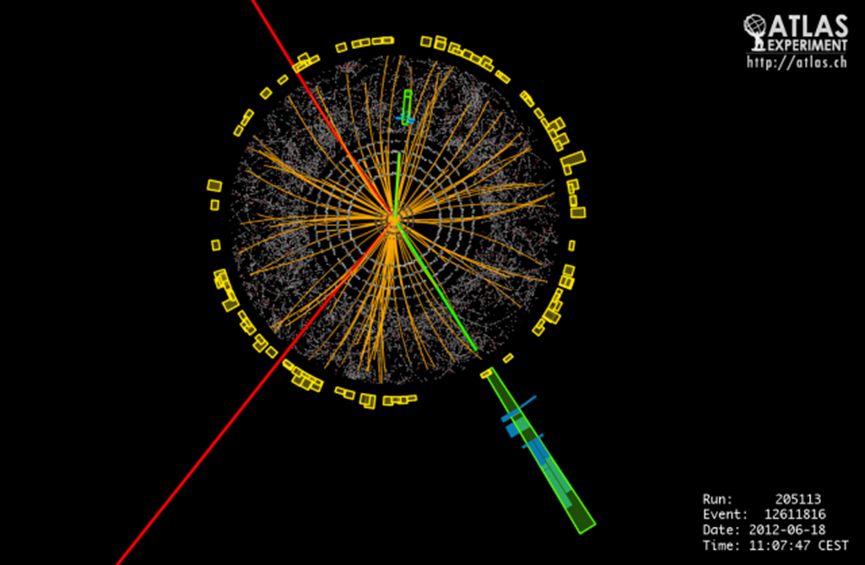
Discover the Z and Higgs bosons
Introduces students to CERN, LHC and ATLAS; instructions on how to use the HYPATIA event display to analyze data from ATLAS, specifically Z and Higgs boson decays.
-
Open Education at JINR
Educational portal of the Joint Institute for Nuclear Research. Virtual portal to lectures, seminars and practical exercises
-
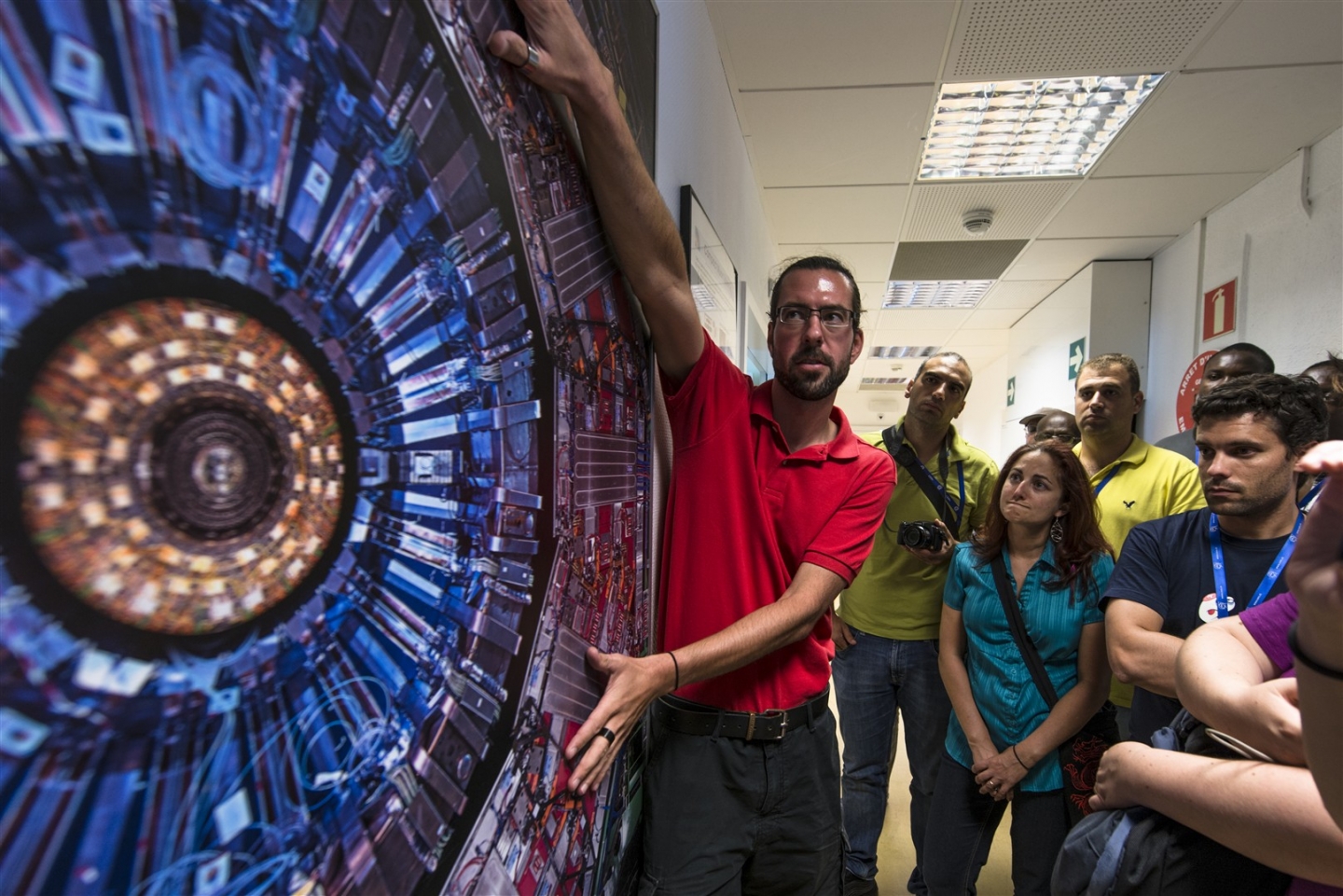
International HST programme – lectures
A WEB portal to the CERN’s international teacher programmes. Simple instructions How-to apply for the programme are provided in the FAQ section.
-
Mean Lifetime Part 3: MINERvA
Through the analysis of neutrino events provided by MINERvA, the validity of the mathematical expressions of exponential decay can be checked. Activities for comprehension learners
-
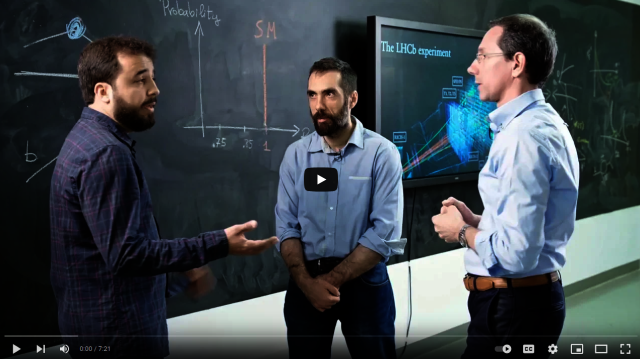
B anomalies How particle physics works II
Three physicists discuss the meaning of the latest result on anomaly in the B meson decay as measured by the LHCb experiment. Follow-up video about new results released in Spring 2019.
-
Large Hadron Collider
Popular science encyclopedia on the Large Hadron Collider and particle physics (in russian).
-
Playlist of interviews about Gravitational Waves
Barry Barish, Kip Thorne, Rainer Weiss, (eng sub ita)
-
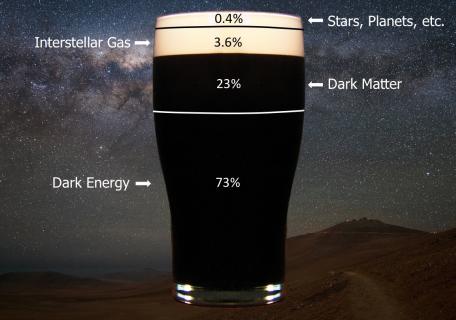
Solving the Enigma of the Universe: How we measure what we can’t see
This talk was given at TEDxOporto 2016 to a large, general public audience. It attempts to address the question, posed by a young student: “How do we measure what we can’t see?” The talk addresses this in three parts: What we currently know about our universe How we came about to understand this, through exploration…
-
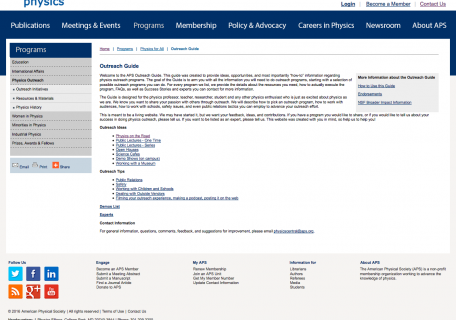
American Physical Society Outreach Guide
This guide was created to provide ideas, opportunities, and most importantly “how-to” information regarding physics outreach programs. The goal of the Guide is to arm you with all the information you will need to do outreach programs, starting with a selection of possible outreach programs you can do. For every program we list, we provide…