
by IPPOG Communication
Highlights from the 31st IPPOG Meeting in Ljubljana
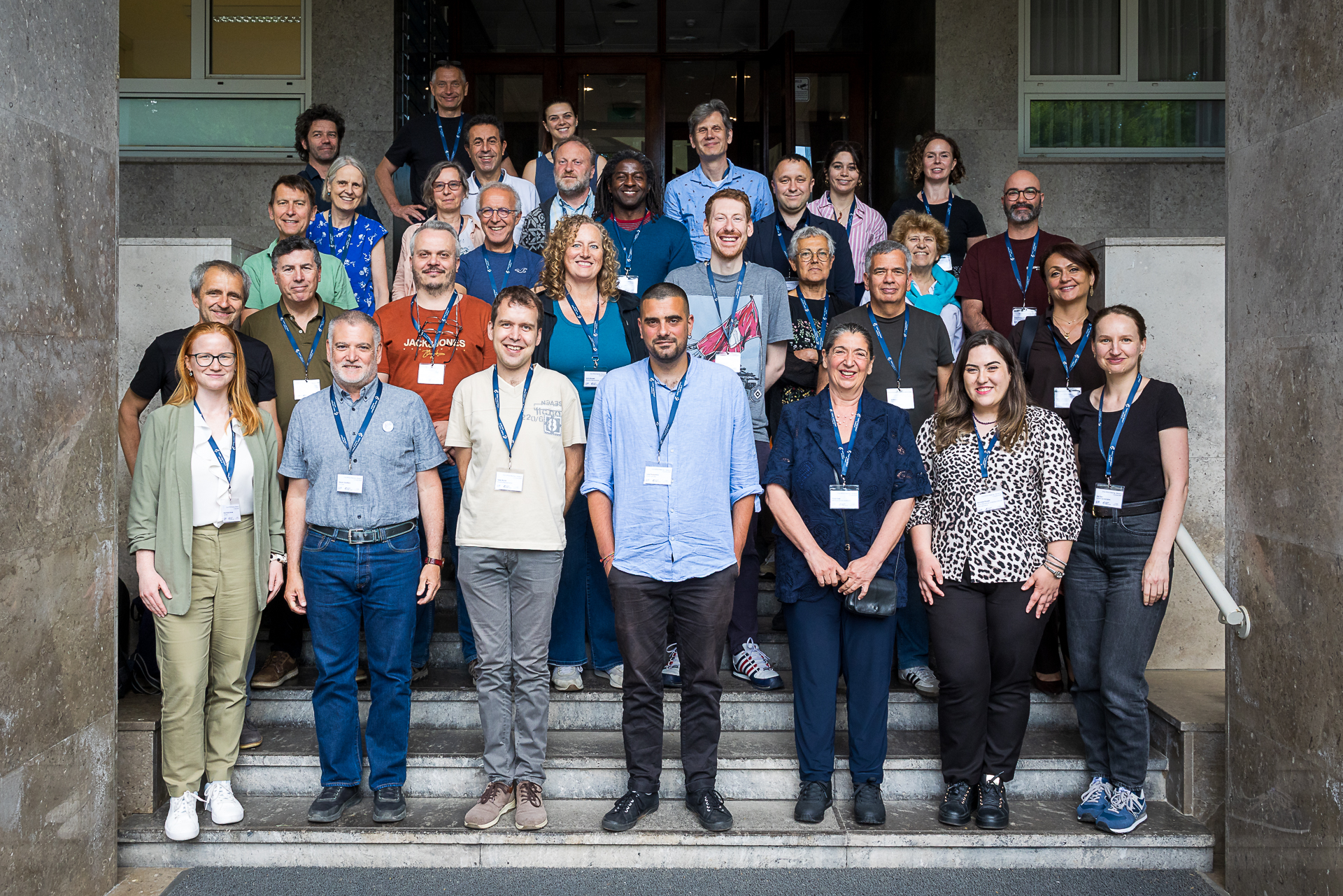
From 1–4 June 2026, the 31st IPPOG Meeting took place at the Jožef Stefan Institute (JSI) in Ljubljana, Slovenia, bringing together representatives, educators, scientists, and outreach professionals from across the IPPOG collaboration. Over four days, participants exchanged ideas, shared successful outreach initiatives, discussed the future of particle physics communication, and strengthened international collaborations.
The meeting opened with welcoming remarks from the local organisers, followed by presentations from potential new members. One of the most significant outcomes of this meeting was the expansion of the collaboration. The IPPOG Collaboration Board officially welcomed North Macedonia, Ukraine and Lithuania as new members.
A dedicated session focused on communicating the future of particle physics, featuring presentations on the communication strategies surrounding three major international projects: the Future Circular Collider (FCC), the Muon Collider, and DUNE. These talks explored the challenges and opportunities involved in engaging the public with long-term scientific programmes that will shape the future of the field. Guests of the panel were: Kate Show (DUNE), Cari Cesarotti (Communicating a Muon Collider) and Arnaud Marsollier (CERN).
One of the highlights of the meeting was the Success Stories session, during which members showcased a wide range of innovative outreach initiatives from around the world. Jorge Andrés Villa Vélez opened the session by presenting Beamline for Schools, illustrating how the competition inspires high-school students to engage with particle physics through hands-on experimentation. Vivek Kiritbhai Patel shared the experience of the Particle Physics Outreach Pilot in Surat (India), while Luca Papapietro introduced Gravitational Days, an initiative promoting gravitational-wave science through international educational activities. Daniel Heuchel presented the outreach and knowledge transfer activities of the LHC Germany Office, followed by Jackie Bondell, who discussed how public engagement activities contribute not only to outreach but also to the professional development of scientists. Gediminas Sarpis then presented the inspiring Physics Behind Bars project, demonstrating how particle physics can reach audiences in correctional facilities. Florin Secosan showcased the role of the Planetarium at the West University of Timisoara as an effective outreach platform, while Farid Ould-Saada highlighted the importance of immersive and hands-on learning experiences in science education. Chris Alton presented Oriel Science, an initiative bringing cutting-edge research into local communities. The final part of the session featured Tamar Lominadze, who presented the continued success of the IPPOG Masterclasses in Georgia, Lukas Mientus, who introduced the educational card game Particle Dobble, and Jerzy Pryga, who presented a new Cosmic Rays Module developed for the Czech Particle Physics Project.
Another important milestone celebrated during the meeting was the first five years of the Particle Therapy Masterclass. Yiota Foka (Particle Therapy Masterclass Coordinator) led a dedicated session reviewing the development of the programme, highlighting its growth, achievements, and future prospects as an important addition to the International Masterclasses portfolio.
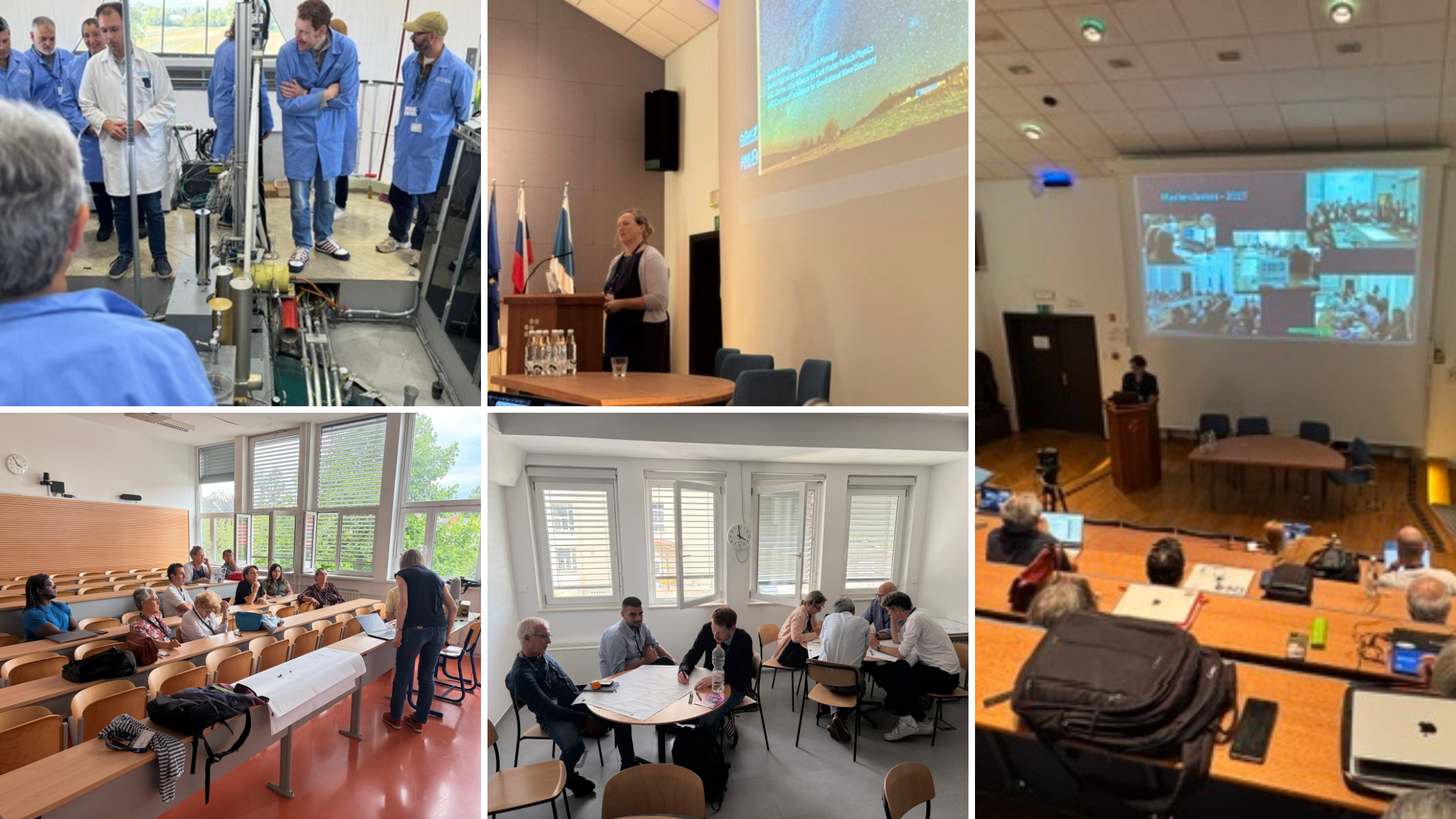
A new feature introduced at this meeting was the Brainstorming Session, which proved to be one of the most interactive and appreciated activities of the programme. Participants were divided into four thematic working groups to discuss future developments and generate new ideas for the collaboration:
-
Simplified Masterclasses (led by Kenneth Cecire and Uta Bilow)
-
IPPOG Resources (Led by Steven Goldfarb)
-
Future Particle Physics (led by Kate Show)
-
Support for Events and Festivals (led by Connie Potter)
The Collaboration Board met during the conference to discuss the future direction of IPPOG, review reports from the Core Team, Working Groups and Steering Groups, approve new memberships, and hold elections for several collaboration roles. The meeting concluded on 4 June with an optional visit to the JSI Research Reactor Centre, offering participants the opportunity to discover one of Slovenia's major research infrastructures and learn more about its scientific activities and educational programmes.
The IPPOG Core Team would like to sincerely thank the local organising committee, particularly Tadej, Anja, and all their colleagues at the Jožef Stefan Institute, for their outstanding organisation, warm hospitality, and dedication in making the meeting a great success.
The next IPPOG Meeting will take place at CERN from 9 to 11 November 2026.
Cover photo: Marjan Verč